
Mould, dust and air quality risks in air conditioning: what to watch for
By Clara Abbott · Updated 2026-07-28
This is general information, not medical advice. If you or someone in your household has ongoing respiratory symptoms, talk to a doctor rather than relying on this guide alone.
Air conditioning systems move a lot of air through your home, and if the system itself isn’t clean, that air carries whatever has built up inside it. Mould, dust and general grime inside a unit aren’t rare, they’re one of the most common reasons a service gets booked (our AC repair and servicing hub lists Perth contractors who handle this work), and understanding how the buildup happens makes it easier to catch early.
How the buildup actually happens
Cooling naturally produces condensation on the evaporator coil inside your indoor unit, and that moisture needs somewhere to go, usually a condensate drain that carries it away. When that drain gets partially blocked, or the filter and coil aren’t cleaned regularly, the combination of moisture, dust and warmth creates exactly the environment mould and bacteria need to establish themselves. Once that happens, every time the system runs, it can push a small amount of that buildup out into the air you’re breathing.
Warning signs worth acting on
A few signals tend to show up before the problem becomes obvious to everyone in the room:
- A musty smell, especially noticeable when the unit first starts up after being off for a while.
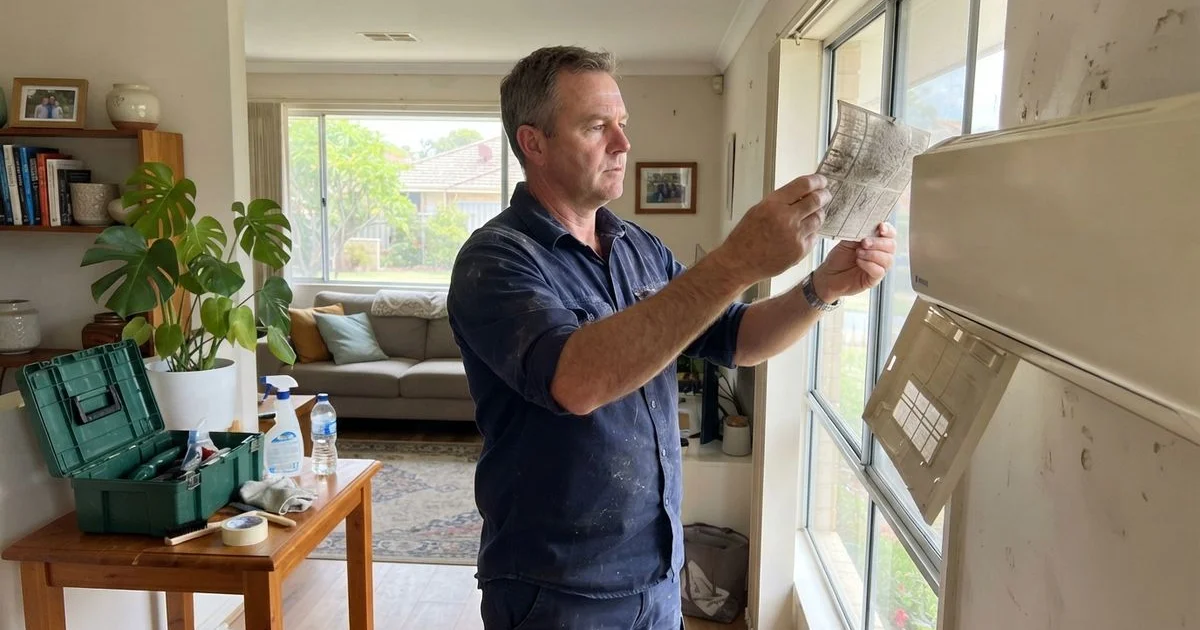
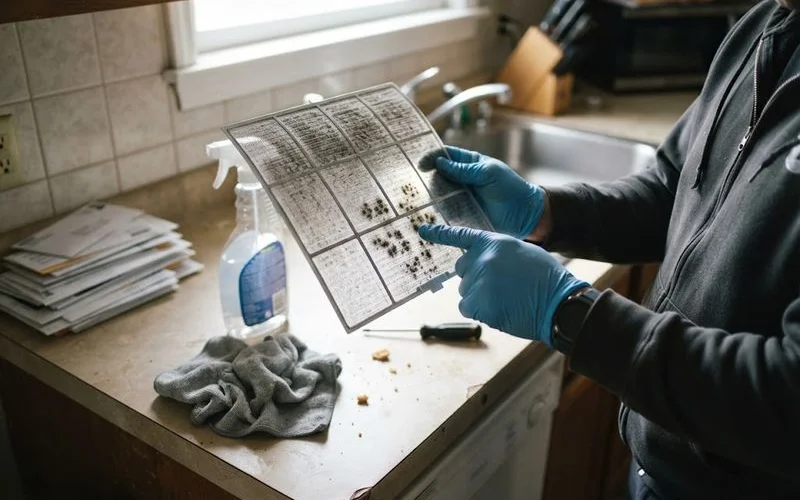
- Visible dark spots on the return air grille, filter, or around the vents.
- More dust settling around vents and nearby surfaces than usual.
- Worsening allergy or sinus symptoms that seem to correlate with time spent in rooms the system serves.
None of these confirm mould on their own, but together they’re a reasonable prompt to book a service rather than waiting.
What regular servicing does about it
The good news is that most of this is preventable through the same servicing that keeps a system running efficiently anyway. A standard service checks and clears the condensate drain, cleans or replaces the filter, and inspects the coil for early buildup, all of which are the exact points where mould and dust take hold if left unattended. Systems that run heavily through Perth’s long cooling season, or that sit in humid parts of the house like a bathroom-adjacent hallway, generally benefit from more frequent attention than a once-a-year minimum.
For a system that hasn’t been serviced in a while, or shows more obvious buildup, a deeper coil clean, sometimes called a chemical wash, goes further than a routine filter change to remove grime that’s already established on the coil itself.
| Sign | Likely cause | What helps |
|---|---|---|
| Musty smell on startup | Moisture sitting in the unit, possible mould | Book a service, check drain and coil |
| Visible dark spots on filter or grille | Dust and mould buildup | Filter clean, possible coil clean |
| Increased dust around vents | Dirty filter, reduced airflow | Filter clean or replacement |
| Worsening allergy symptoms indoors | Poor air quality from the system | Full service, consider a coil clean |
Keeping ahead of it
The simplest habit that prevents most of this is straightforward: a filter clean roughly every few months if you can do it yourself between professional services, and a proper service at least once a year, ideally before the system runs hard through summer. If anyone in the household deals with asthma or allergies, staying slightly ahead of the usual servicing schedule is generally worth the small extra cost.
Rooms that need extra attention
Some parts of a home are more prone to this issue than others. Bathrooms and laundries connected to a ducted system’s return air path bring extra moisture into the mix, and rooms that don’t get much natural airflow when the system is off can build up humidity between uses. If a particular room in your home consistently smells musty or seems dustier than the rest, mention that specifically when you book a service, since it points the technician toward exactly where the buildup is likely concentrated rather than a general whole-system check.
What not to do yourself
Resist the temptation to use household cleaning products directly on an indoor unit’s coil or internal components, since the wrong product can damage the coil fins or leave residue that affects airflow. Filter cleaning with water and a soft brush is generally fine as a DIY task, but anything involving the coil, the internal fan, or the drain line itself is better left to a technician with the right tools and cleaning agents for the job.
For more on how we rank and assess local contractors, see our methodology page, and visit the home page for other guides on keeping a system running well.
FAQ
- What causes mould inside an air conditioning system?
- Moisture that condenses on the evaporator coil during cooling needs to drain away properly. If the condensate drain is blocked or slow, or the coil and filter aren't cleaned regularly, that damp environment can become a place for mould and bacteria to grow.
- How can I tell if my system has a mould problem?
- A musty smell when the unit first starts up is the most common early sign. Visible black or dark spots on the return air grille or filter, and a noticeable increase in dust settling around vents, are other signs worth acting on.
- Does regular servicing actually prevent this?
- Yes, largely. A standard service includes checking and clearing the drain, cleaning or replacing filters, and inspecting the coil, all of which are the main points where mould and dust build up if left unattended.
- Is a chemical wash the same as a normal filter clean?
- No. A chemical wash is a deeper clean of the coil itself, using cleaning agents to remove built-up grime that a filter clean or basic service doesn't fully address. It's usually recommended for older systems or ones that haven't been serviced in a while, rather than as a routine step every service.
Related on this site
- Browse ac repair & servicing providers
- Best ac repair & servicing in Perth metropolitan →
- Aircon regas cost in Perth: when you need one and what it involves
- Getting your air conditioner ready for a Perth summer: a pre-season checklist
- Air conditioning and asthma or allergies: does it help or hurt
- All guides →